

In the construction and building industry, the choice of roofing and wall materials is crucial, especially when it comes to fire safety. As a supplier of sandwich panel roofs and walls, I've encountered numerous inquiries regarding the fire - resistant properties of these products. In this blog, I'll delve into the science behind the fire resistance of sandwich panel roofs and walls, exploring the factors that influence it and the types of panels available in the market.
Understanding Sandwich Panels
A sandwich panel consists of two outer layers, typically made of metal such as steel or aluminum, and a core material in between. The core material is what largely determines the panel's insulation, structural, and fire - resistant properties. There are various types of core materials used in sandwich panels, including polystyrene, polyurethane, and mineral wool.
Polystyrene Core Panels
Polystyrene is a common core material used in sandwich panels due to its low cost and good insulation properties. However, its fire - resistant capabilities are relatively poor. Polystyrene is a hydrocarbon - based plastic that is highly flammable. When exposed to fire, it can melt, drip, and release toxic fumes. These characteristics make polystyrene core sandwich panels a high - risk option in terms of fire safety, especially in buildings where fire protection is a top priority.
Polyurethane Core Panels
Polyurethane is another popular core material for sandwich panels. It offers better insulation than polystyrene and is often used in cold storage facilities and industrial buildings. Polyurethane has a higher fire resistance than polystyrene, but it still has limitations. When burned, polyurethane can also release toxic gases, and in some cases, it may continue to smolder after the initial fire has been extinguished. To improve its fire resistance, manufacturers can add flame - retardant additives to the polyurethane core. However, the effectiveness of these additives can vary, and over time, their performance may degrade.
Mineral Wool Core Panels
Mineral wool is widely regarded as one of the best core materials for fire - resistant sandwich panels. Mineral wool is made from natural minerals such as basalt or slag that are melted and spun into fibers. These fibers have excellent thermal insulation and fire - resistant properties. Mineral wool does not burn, melt, or release toxic fumes when exposed to fire. It can withstand extremely high temperatures for extended periods, providing a reliable fire barrier.
Our mineral wool acoustic panels are a prime example of a high - quality fire - resistant solution. They are designed to meet strict fire safety standards, making them suitable for a wide range of applications, including commercial buildings, hospitals, and schools.
Factors Affecting Fire Resistance
Several factors can influence the fire - resistant performance of sandwich panel roofs and walls.
Thickness of the Core Material
Generally, a thicker core material provides better fire resistance. A thicker layer of insulation material, such as mineral wool, can slow down the spread of fire and heat transfer through the panel. For example, a sandwich panel with a 100 - mm thick mineral wool core will have a higher fire - resistance rating than a panel with a 50 - mm thick core.
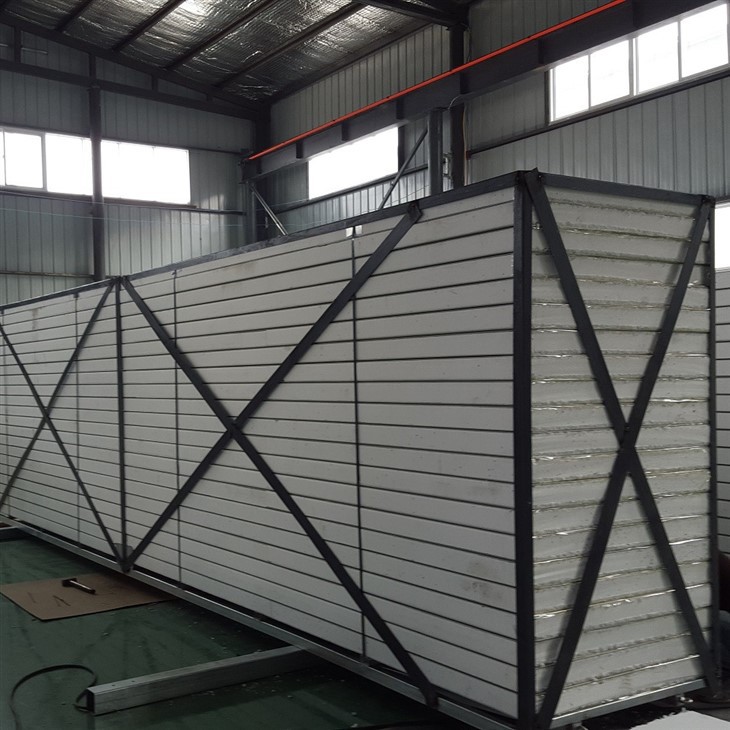

Quality of the Outer Layers
The outer layers of a sandwich panel also play a role in its fire resistance. Metal outer layers, such as steel or aluminum, can act as a barrier to prevent the spread of fire. High - quality metal coatings can enhance the panel's resistance to corrosion and oxidation, which can improve its long - term fire - resistant performance.
Installation and Sealing
Proper installation and sealing of sandwich panels are essential for maintaining their fire - resistant properties. Gaps or cracks between panels can allow fire and smoke to spread, reducing the overall fire - protection effectiveness of the system. It is crucial to follow the manufacturer's installation instructions carefully and use appropriate sealing materials.
Other Features of Sandwich Panels in Relation to Fire Safety
Apart from fire resistance, sandwich panels can offer other features that contribute to overall building safety.
Moisture Resistance
Moisture can have a negative impact on the fire - resistant properties of sandwich panels. For instance, if moisture penetrates the core material, it can weaken the panel's structure and reduce its ability to resist fire. Our Moisture - resistant sandwich Board is designed to prevent moisture ingress, ensuring that the panel maintains its fire - resistant and structural integrity over time.
Dust and Moisture Protection
In addition to moisture, dust can also affect the performance of sandwich panels. Dust accumulation can clog the insulation material, reducing its thermal insulation and fire - resistant properties. Our Moisture and dust protection sandwich plate offers a comprehensive solution by protecting the panel from both moisture and dust, enhancing its long - term performance and fire safety.
Conclusion
Sandwich panel roofs and walls can be fire - resistant, but the level of fire resistance depends on the core material, the quality of the outer layers, and the installation process. Mineral wool core panels are the preferred choice for applications where high - level fire protection is required. However, regardless of the type of panel, proper installation and maintenance are essential to ensure long - term fire - resistant performance.
If you're in the market for fire - resistant sandwich panel roofs or walls, or if you have any questions regarding our products, we encourage you to contact us for a procurement discussion. Our team of experts is ready to assist you in selecting the right panels for your specific needs and ensuring a safe and efficient building solution.
References
- "Fire Behavior of Composite Materials for Building Applications" by X. Bourbigot and R. Delobel.
- "Handbook of Sandwich Structures" edited by A. K. Kaw.
- Technical documents from sandwich panel manufacturers and industry standards organizations.


