

As a supplier of various types of C purlins, I often encounter inquiries from customers regarding the deflection limits for these essential structural components. Deflection limits are crucial in ensuring the structural integrity and performance of C purlins in different applications. In this blog post, I will delve into the deflection limits for different types of C purlins, providing valuable insights for architects, engineers, and construction professionals.
Understanding Deflection in C Purlins
Deflection refers to the degree of bending or deformation that a structural member, such as a C purlin, experiences under load. It is a critical consideration in structural design as excessive deflection can lead to a range of issues, including aesthetic concerns, functional problems, and even structural failure. In the case of C purlins, deflection can affect the stability of the roof or wall system, as well as the performance of the cladding materials.
The deflection of a C purlin is influenced by several factors, including the span length, the load applied, the cross-sectional properties of the purlin, and the material properties. Different types of C purlins, such as hot-rolled, cold-formed, and galvanized, may have different deflection characteristics due to variations in their manufacturing processes and material properties.
Deflection Limits for Different Types of C Purlins
Hot-Rolled C Purlins
Hot-rolled C purlins are typically made from steel that has been heated above its recrystallization temperature and then rolled into the desired shape. These purlins are known for their high strength and stiffness, making them suitable for applications with large spans and heavy loads.
The deflection limits for hot-rolled C purlins are usually specified in building codes and standards. In general, the maximum allowable deflection for a hot-rolled C purlin under live load is limited to L/180, where L is the span length of the purlin. This means that for a purlin with a span of 6 meters, the maximum allowable deflection under live load would be 6000/180 = 33.3 mm.
Cold-Formed C Purlins
Cold-formed C purlins are manufactured by bending thin sheets of steel into the C shape at room temperature. These purlins are lightweight, cost-effective, and easy to install, making them a popular choice for many construction projects.
The deflection limits for cold-formed C purlins are also specified in building codes and standards. However, due to their relatively lower stiffness compared to hot-rolled purlins, the maximum allowable deflection for cold-formed C purlins is typically more conservative. In general, the maximum allowable deflection for a cold-formed C purlin under live load is limited to L/240, where L is the span length of the purlin. This means that for a purlin with a span of 6 meters, the maximum allowable deflection under live load would be 6000/240 = 25 mm.
Galvanized C Purlins
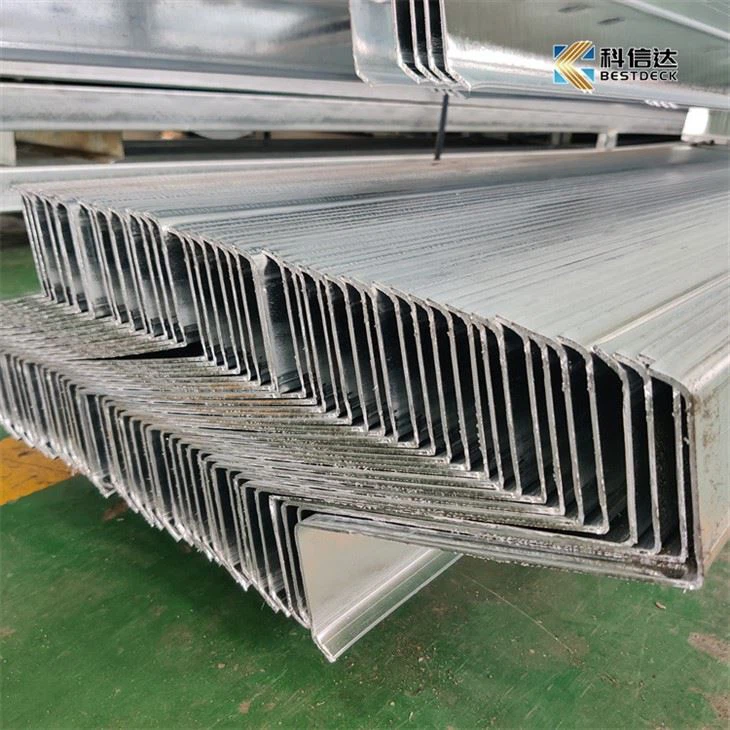
Galvanized C purlins are cold-formed purlins that have been coated with a layer of zinc to protect them from corrosion. These purlins are commonly used in outdoor applications, such as roofing and wall systems, where they are exposed to the elements.
The deflection limits for galvanized C purlins are similar to those for cold-formed C purlins. The maximum allowable deflection for a galvanized C purlin under live load is typically limited to L/240, where L is the span length of the purlin. However, it is important to note that the zinc coating on galvanized purlins may add a small amount of weight and stiffness, which can affect the deflection characteristics of the purlin.
Factors Affecting Deflection Limits
In addition to the type of C purlin, several other factors can affect the deflection limits. These factors include:
Load Type
The type of load applied to the C purlin, such as live load, dead load, wind load, and snow load, can have a significant impact on the deflection. Live loads, which are temporary loads caused by people, furniture, and equipment, typically result in higher deflections compared to dead loads, which are permanent loads caused by the weight of the structure itself.
Span Length
The span length of the C purlin is one of the most important factors affecting the deflection. As the span length increases, the deflection of the purlin under load also increases. Therefore, longer spans require larger and stiffer purlins to meet the deflection limits.
Cladding Material
The type of cladding material used on the roof or wall system can also affect the deflection limits. Some cladding materials, such as metal panels, are more flexible and can tolerate larger deflections, while others, such as glass or concrete, are more rigid and require smaller deflections.
Importance of Meeting Deflection Limits
Meeting the deflection limits for C purlins is essential for ensuring the structural integrity and performance of the building. Excessive deflection can lead to a range of problems, including:

Aesthetic Concerns
Excessive deflection can cause the roof or wall system to appear uneven or saggy, which can detract from the overall appearance of the building.
Functional Problems
Excessive deflection can also cause functional problems, such as water pooling on the roof, which can lead to leaks and damage to the building's interior.
Structural Failure
In extreme cases, excessive deflection can lead to structural failure, which can pose a serious safety risk to the occupants of the building.
Our Offerings and Contact for Purchase
As a leading supplier of [types of c purlins], we offer a wide range of high-quality C purlins, including hot-rolled, cold-formed, and galvanized options. Our purlins are manufactured to meet the highest industry standards and are available in various sizes and thicknesses to suit your specific requirements.
In addition to C purlins, we also supply galvanised z purlins, Welding Mezzanine Purlins, and Steel Truss Purlins. Our team of experienced engineers and technicians can provide you with expert advice and support to help you select the right purlins for your project.
If you are interested in purchasing our C purlins or other related products, please feel free to contact us for a quote. We look forward to working with you and helping you achieve your construction goals.
References
- American Institute of Steel Construction (AISC). Steel Construction Manual.
- Canadian Standards Association (CSA). Steel Structures Design Standard.
- European Committee for Standardization (CEN). Eurocode 3: Design of Steel Structures.


