As a seasoned supplier in the roof deck industry, I've witnessed firsthand the pivotal role that the right roofing materials play in the success of any construction project. A roof deck is not just a structural component; it's the foundation upon which the integrity, durability, and aesthetic appeal of a building rest. In this blog, I'll share my insights on the best materials for a roof deck, drawing from years of experience and industry knowledge.
Steel Roof Decks
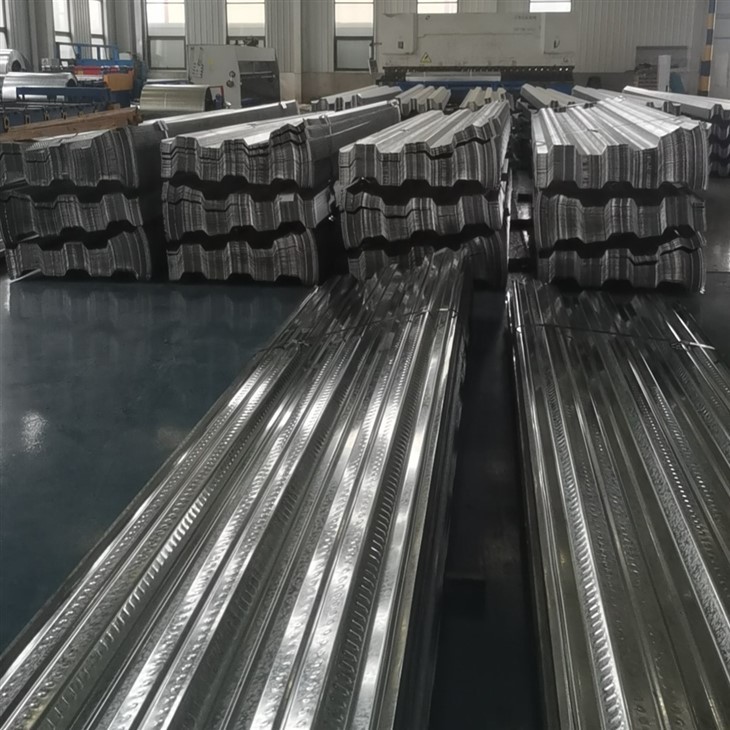
Steel roof decks are a staple in the construction industry, renowned for their strength, durability, and versatility. They are available in various gauges and profiles, making them suitable for a wide range of applications, from small residential buildings to large commercial structures.
One of the primary advantages of steel roof decks is their high strength-to-weight ratio. This means that they can support heavy loads without adding excessive weight to the structure, making them an ideal choice for buildings with large spans or complex designs. Additionally, steel roof decks are highly resistant to fire, pests, and rot, ensuring long-term durability and peace of mind for building owners.
Another benefit of steel roof decks is their ease of installation. They can be quickly and efficiently installed using standard construction equipment, reducing labor costs and project timelines. Steel roof decks can also be easily customized to fit specific project requirements, allowing for greater flexibility and creativity in design.
When it comes to steel roof decks, there are two main types: open web and closed web. Open web steel roof decks feature a series of parallel ribs that provide support for the roofing membrane, while closed web steel roof decks have a solid surface that provides additional strength and stiffness. Both types of steel roof decks are available in a variety of finishes, including galvanized, painted, and powder-coated, to enhance their appearance and durability.

Concrete Roof Decks
Concrete roof decks are another popular choice for building owners, particularly in areas with high seismic activity or extreme weather conditions. They are known for their exceptional strength, durability, and fire resistance, making them a reliable option for protecting buildings and their occupants.
One of the key advantages of concrete roof decks is their ability to provide excellent thermal insulation. This helps to reduce energy costs by keeping the building cool in the summer and warm in the winter. Concrete roof decks also have a high sound insulation rating, which can help to reduce noise pollution from outside the building.
In addition to their structural and insulation properties, concrete roof decks are also highly customizable. They can be formed into a variety of shapes and sizes, allowing for greater flexibility in design. Concrete roof decks can also be finished with a variety of materials, such as tile, stone, or asphalt, to enhance their appearance and durability.
However, it's important to note that concrete roof decks can be more expensive and time-consuming to install than other types of roof decks. They also require specialized equipment and expertise to ensure proper installation and curing. As a result, it's essential to work with a qualified contractor who has experience working with concrete roof decks.
Wood Roof Decks
Wood roof decks have been used in construction for centuries, and they continue to be a popular choice for building owners who value natural beauty and warmth. They are known for their affordability, ease of installation, and versatility, making them a great option for a wide range of applications.
One of the primary advantages of wood roof decks is their natural insulation properties. Wood is a poor conductor of heat, which helps to keep the building cool in the summer and warm in the winter. Wood roof decks also have a high sound insulation rating, which can help to reduce noise pollution from outside the building.
Another benefit of wood roof decks is their aesthetic appeal. Wood has a warm, natural look that can enhance the beauty of any building. It can also be stained or painted to match the style and color scheme of the building.
However, it's important to note that wood roof decks require regular maintenance to ensure their long-term durability. They are susceptible to rot, pests, and fire, which can damage the structure and compromise its safety. As a result, it's essential to choose a high-quality wood species and to treat the wood with a protective coating to prevent damage.
Composite Roof Decks
Composite roof decks are a relatively new type of roofing material that combines the best properties of different materials, such as steel, concrete, and wood. They are designed to provide the strength and durability of traditional roofing materials, while also offering the benefits of lightweight, easy installation, and low maintenance.
One of the key advantages of composite roof decks is their high strength-to-weight ratio. This means that they can support heavy loads without adding excessive weight to the structure, making them an ideal choice for buildings with large spans or complex designs. Composite roof decks are also highly resistant to fire, pests, and rot, ensuring long-term durability and peace of mind for building owners.
Another benefit of composite roof decks is their ease of installation. They can be quickly and efficiently installed using standard construction equipment, reducing labor costs and project timelines. Composite roof decks can also be easily customized to fit specific project requirements, allowing for greater flexibility and creativity in design.
When it comes to composite roof decks, there are several different types available, each with its own unique properties and benefits. Some composite roof decks are made from a combination of steel and concrete, while others are made from a combination of wood and plastic. It's important to choose the right type of composite roof deck for your specific project based on factors such as the building's location, climate, and design requirements.
Choosing the Right Material for Your Roof Deck
When it comes to choosing the right material for your roof deck, there are several factors to consider. These include the building's location, climate, design requirements, budget, and maintenance needs.
If you're building a commercial or industrial building, steel roof decks are often the best choice due to their strength, durability, and fire resistance. They are also a good option for buildings with large spans or complex designs.
If you're building a residential building, wood roof decks are a popular choice due to their natural beauty and affordability. However, they require regular maintenance to ensure their long-term durability.
If you're building a building in an area with high seismic activity or extreme weather conditions, concrete roof decks are often the best choice due to their exceptional strength and durability. They are also a good option for buildings that require high levels of thermal and sound insulation.
If you're looking for a lightweight, easy-to-install, and low-maintenance roofing material, composite roof decks are a good option. They offer the strength and durability of traditional roofing materials, while also providing the benefits of lightweight, easy installation, and low maintenance.
Conclusion
Choosing the right material for your roof deck is a critical decision that can have a significant impact on the performance, durability, and aesthetic appeal of your building. As a roof deck supplier, I understand the importance of providing high-quality materials and expert advice to help you make the right choice for your project.
Whether you're building a commercial or residential building, I can help you select the best material for your roof deck based on your specific needs and requirements. I offer a wide range of roof deck materials, including High strength material floor bearing plate, galvanized decking sheets, and Building floor Supports structural floor slabs, all of which are designed to provide the strength, durability, and performance you need.
If you're interested in learning more about our roof deck materials or would like to discuss your project with one of our experts, please don't hesitate to contact us. We look forward to working with you to create a roof deck that meets your needs and exceeds your expectations.
References
- "Roof Decking Materials: Types, Advantages, and Disadvantages." The Spruce, 2021.
- "Steel Roof Decks: A Comprehensive Guide." Construction Review Online, 2021.
- "Concrete Roof Decks: Benefits and Considerations." The Constructor, 2021.
- "Wood Roof Decks: Pros and Cons." HomeAdvisor, 2021.
- "Composite Roof Decks: An Innovative Solution for Modern Buildings." Building Design + Construction, 2021.