

Hey there! As a supplier of photovoltaic purlins, I've been getting a lot of questions lately about wind-induced vibration of these important components. So, I thought I'd take a stab at explaining what it is, why it matters, and how we can deal with it.
What is Wind-Induced Vibration?
Let's start with the basics. Wind-induced vibration is exactly what it sounds like – the shaking or movement of a structure caused by the wind. When the wind blows against a photovoltaic purlin, it creates forces that can make the purlin vibrate. These vibrations can be small and barely noticeable, or they can be large enough to cause damage over time.
Think of it like a flag flapping in the wind. The wind pushes against the flag, causing it to move back and forth. The same thing happens with photovoltaic purlins, but instead of a flag, we're talking about a metal structure that's holding up solar panels.
There are a few different types of wind-induced vibration that can affect photovoltaic purlins. One of the most common is vortex shedding. When the wind flows around a cylindrical or rectangular object, like a purlin, it creates vortices, or swirling patterns of air. These vortices can cause the purlin to vibrate at a specific frequency. If the frequency of the vibration matches the natural frequency of the purlin, it can lead to resonance, which can cause the vibrations to become much larger.
Another type of wind-induced vibration is galloping. Galloping usually occurs when the wind blows at an angle to the purlin and the purlin has an asymmetrical shape. The wind causes the purlin to move in a combination of up-and-down and side-to-side motions, which can also lead to large vibrations.
Why Does Wind-Induced Vibration Matter?
So, why should we care about wind-induced vibration in photovoltaic purlins? Well, there are a few reasons. First of all, excessive vibration can cause fatigue in the purlin. Fatigue is a process where the material of the purlin weakens over time due to repeated stress. Eventually, this can lead to cracks and even failure of the purlin. If a purlin fails, it can cause the solar panels it's holding up to fall, which can be dangerous and costly.

Secondly, wind-induced vibration can also affect the performance of the solar panels. The vibrations can cause the panels to move slightly, which can change the angle at which they receive sunlight. This can reduce the amount of electricity the panels generate, which means less energy production and potentially less revenue for the solar power system owner.
Finally, from a supplier's perspective, dealing with wind-induced vibration is important for our reputation. If our purlins are prone to excessive vibration and failure, it can lead to customer dissatisfaction and loss of business. That's why we're constantly working to develop purlins that are more resistant to wind-induced vibration.
How Can We Deal with Wind-Induced Vibration?
There are several ways to deal with wind-induced vibration in photovoltaic purlins. One of the most effective ways is to design the purlins to have a high natural frequency. By increasing the stiffness of the purlin or reducing its mass, we can raise its natural frequency and make it less likely to resonate with the wind-induced vibrations.
Another approach is to use damping devices. Damping is a process that reduces the amplitude of vibrations by dissipating the energy of the vibrations as heat. There are different types of damping devices that can be used, such as viscous dampers or tuned mass dampers. Viscous dampers work by using a fluid to absorb the energy of the vibrations, while tuned mass dampers are designed to vibrate out of phase with the purlin, which helps to cancel out the vibrations.
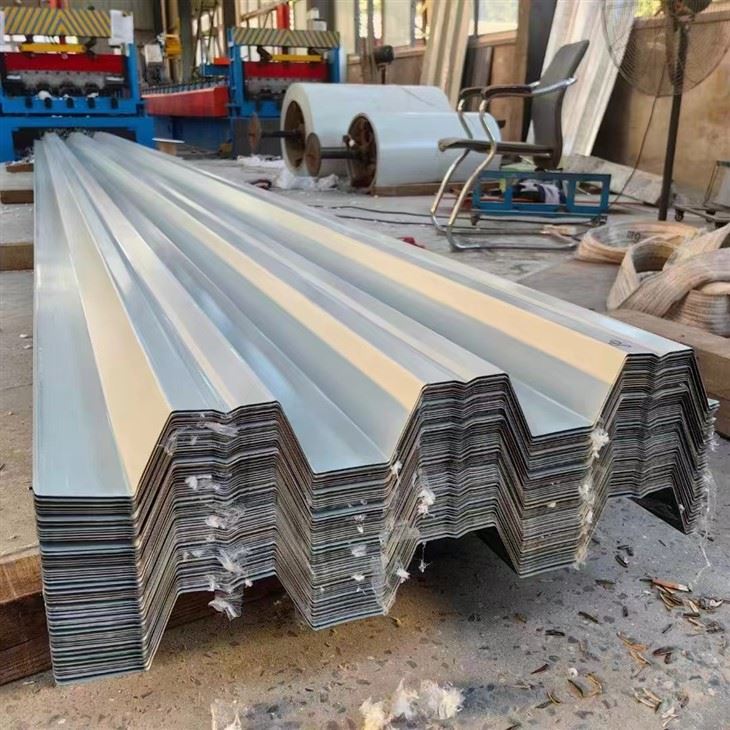
We can also improve the aerodynamic design of the purlins. For example, we can use rounded edges or streamlined shapes to reduce the formation of vortices and minimize wind-induced vibration. Some of our Z Purlins 1.0 - 4.0mm are designed with these aerodynamic features to provide better performance in windy conditions.
In addition to these design and engineering solutions, proper installation is also crucial. Making sure that the purlins are installed correctly and securely can help to reduce the likelihood of wind-induced vibration. For example, using the right type of fasteners and ensuring that the purlins are properly aligned can make a big difference.
Our Products and Wind-Induced Vibration
At our company, we take wind-induced vibration seriously. We invest a lot of time and resources in research and development to ensure that our photovoltaic purlins are as resistant to wind-induced vibration as possible. Our purlins are made from high-quality materials and are designed using the latest engineering techniques.
We also offer a range of products that are suitable for different wind conditions. Whether you're building a solar power system in a coastal area with strong winds or in an inland area with more moderate winds, we have the right purlins for you. For example, if you're looking to Put a roof over the deck with solar panels, our purlins can provide the necessary support while minimizing the risk of wind-induced vibration.
Our brown sheet metal purlins are not only aesthetically pleasing but also have excellent structural properties. They are designed to withstand the stresses caused by wind and other environmental factors, including wind-induced vibration.
Contact Us for Your Purlin Needs
If you're in the market for photovoltaic purlins and want to learn more about how we can help you deal with wind-induced vibration, don't hesitate to get in touch. We have a team of experts who can answer your questions and provide you with the best solutions for your solar power project. Whether you're a small-scale installer or a large solar power developer, we're here to support you.
We understand that every project is unique, and we're committed to providing customized solutions that meet your specific requirements. So, if you're ready to take the next step in your solar power project, contact us today for a free consultation. We look forward to working with you!
References
- Simiu, Emil, and Richard H. Scanlan. Wind Effects on Structures: Fundamentals and Applications to Design. Wiley, 2016.
- Holmes, J. D. Wind Loading of Structures. CRC Press, 2015.
- Cook, Norman J. Wind Loading of Structures. Longman Scientific & Technical, 1985.
