

As a supplier of flat handmade sandwich panels, I've had numerous clients inquire about the soundproofing ability of these remarkable building materials. In this blog post, I'll delve into the science behind the soundproofing capabilities of flat handmade sandwich panels, exploring the factors that contribute to their effectiveness and why they're an excellent choice for creating quiet, comfortable spaces.
Understanding Soundproofing
Before we dive into the specifics of flat handmade sandwich panels, it's essential to understand the concept of soundproofing. Sound is a form of energy that travels through the air in waves. When these waves encounter an object, they can be reflected, absorbed, or transmitted through it. Soundproofing materials are designed to reduce the transmission of sound waves, either by absorbing the energy of the waves or by reflecting them away from the source.
The effectiveness of a soundproofing material is measured in decibels (dB). A higher decibel rating indicates better soundproofing performance. For example, a material with a soundproofing rating of 30 dB will reduce the sound level by 30 decibels.
How Flat Handmade Sandwich Panels Provide Soundproofing
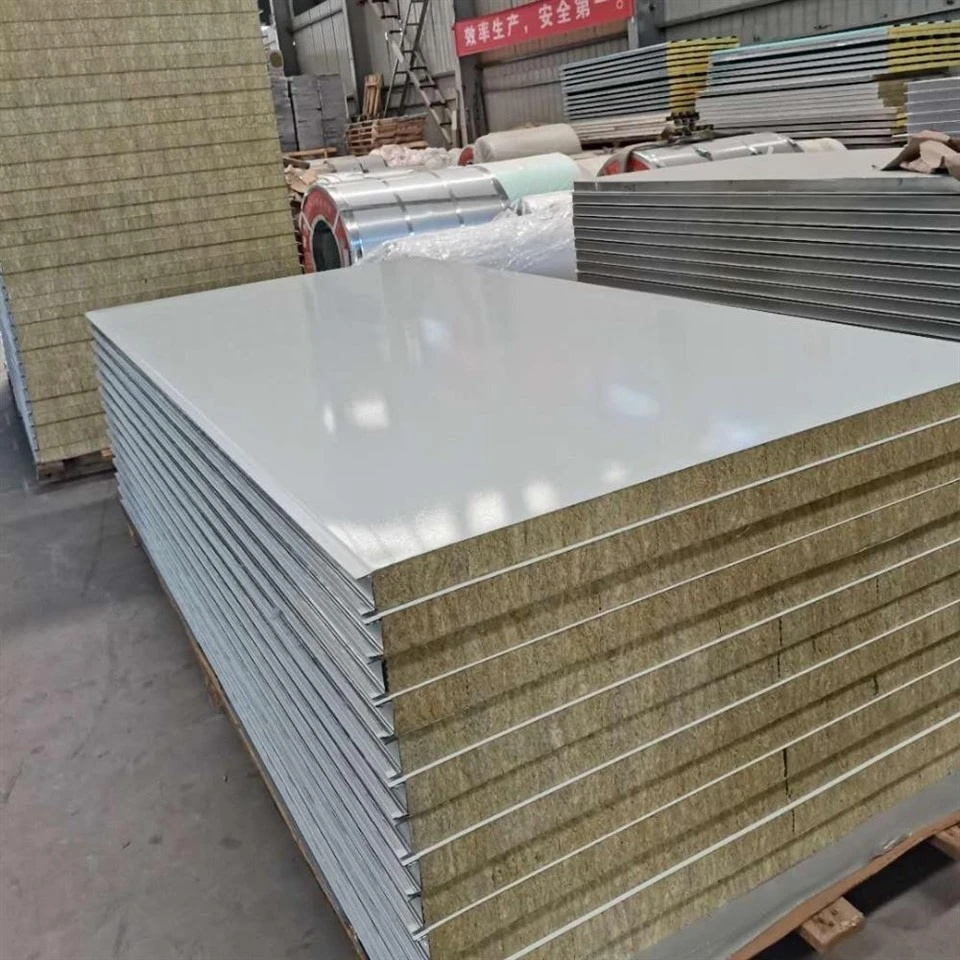
Flat handmade sandwich panels consist of two outer layers, typically made of metal, wood, or fiberglass, and a core material sandwiched between them. The core material plays a crucial role in the soundproofing ability of the panel. Here's how it works:
Absorption
Many core materials used in flat handmade sandwich panels, such as polyurethane foam, rock wool, and fiberglass, are excellent sound absorbers. These materials have a porous structure that allows sound waves to penetrate and get trapped within the material. As the sound waves travel through the pores, they encounter resistance, which causes the energy of the waves to be converted into heat. This process effectively reduces the intensity of the sound waves, preventing them from passing through the panel.
Mass and Density
The mass and density of the outer layers and the core material also contribute to the soundproofing performance of the panel. Heavier and denser materials are generally better at blocking sound waves. The outer layers of the panel act as a barrier, reflecting and absorbing some of the sound waves before they reach the core material. The core material, with its high mass and density, further reduces the transmission of sound waves through the panel.
Air Gap
In some cases, flat handmade sandwich panels may have an air gap between the outer layers and the core material. The air gap acts as an additional barrier to sound transmission, as air is a poor conductor of sound. The presence of the air gap can significantly improve the soundproofing performance of the panel, especially at low frequencies.
Factors Affecting the Soundproofing Ability of Flat Handmade Sandwich Panels
Several factors can affect the soundproofing ability of flat handmade sandwich panels. These include:
Core Material
The type of core material used in the panel has a significant impact on its soundproofing performance. As mentioned earlier, materials like polyurethane foam, rock wool, and fiberglass are excellent sound absorbers. However, the density and thickness of the core material also play a role. Generally, a thicker and denser core material will provide better soundproofing.
Outer Layers
The material and thickness of the outer layers can also affect the soundproofing ability of the panel. Metal outer layers, for example, are more effective at reflecting sound waves than wood or fiberglass. Thicker outer layers can also provide better soundproofing, as they offer more mass and density to block the sound.
Panel Thickness
The overall thickness of the flat handmade sandwich panel is another important factor. Thicker panels generally have better soundproofing performance, as they provide more material to absorb and block the sound waves.
Installation
Proper installation is crucial for achieving optimal soundproofing performance. Any gaps or seams in the installation can allow sound waves to leak through, reducing the effectiveness of the panel. It's important to ensure that the panels are installed tightly together and that all joints are sealed properly.
Benefits of Using Flat Handmade Sandwich Panels for Soundproofing
There are several benefits to using flat handmade sandwich panels for soundproofing:
Sandwich panels are more cost effective.
Compared to other soundproofing materials, flat handmade sandwich panels are often more cost-effective. They offer a high level of soundproofing performance at a relatively low cost, making them a popular choice for both residential and commercial applications.
Quiet environment sandwich board
Flat handmade sandwich panels can create a quiet and comfortable environment by reducing the transmission of external noise. This is especially beneficial in areas where noise pollution is a concern, such as near busy roads, airports, or industrial areas.
Sandwich panels are easy to install
These panels are relatively easy to install, which can save time and labor costs. They can be cut to size and installed quickly, making them a convenient option for both new construction and renovation projects.
Versatility
Flat handmade sandwich panels are available in a variety of sizes, shapes, and materials, making them suitable for a wide range of applications. They can be used for walls, ceilings, floors, and partitions, providing a flexible solution for soundproofing different areas of a building.
Applications of Flat Handmade Sandwich Panels for Soundproofing
Flat handmade sandwich panels are used in a variety of applications where soundproofing is required. Some common applications include:
Residential Buildings
In residential buildings, flat handmade sandwich panels can be used to soundproof bedrooms, home theaters, and other areas where a quiet environment is desired. They can also be used to reduce noise transmission between different rooms in the house.
Commercial Buildings
Commercial buildings, such as offices, hospitals, and schools, often require soundproofing to create a comfortable and productive environment. Flat handmade sandwich panels can be used to soundproof meeting rooms, patient rooms, classrooms, and other areas where noise control is important.

Industrial Buildings
Industrial buildings, such as factories and warehouses, are often noisy environments. Flat handmade sandwich panels can be used to soundproof machinery rooms, control rooms, and other areas where noise reduction is necessary to protect the health and safety of workers.
Contact Us for Your Soundproofing Needs
If you're interested in using flat handmade sandwich panels for your soundproofing project, I'd be happy to discuss your requirements and provide you with a quote. Our team of experts can help you choose the right panel for your application and ensure that it's installed correctly to achieve optimal soundproofing performance. Contact us today to start the conversation and take the first step towards creating a quieter, more comfortable space.
References
- Building Acoustics: Noise Control and Sound Design for Architects and Engineers, by Craig E. Arens
- Soundproofing for Dummies, by Jeff Strong
