

As a supplier of galvanized C and Z purlins, I often encounter questions from customers about the shear strength of these essential building components. In this blog post, I will delve into the concept of shear strength, explain how it applies to galvanized C and Z purlins, and discuss the factors that influence it.
Understanding Shear Strength
Shear strength is a fundamental mechanical property that refers to the ability of a material to resist forces that cause one part of the material to slide or deform relative to another part in a direction parallel to their plane of contact. In the context of galvanized C and Z purlins, shear strength is crucial because these purlins are subjected to various loads in a building structure, including vertical loads from the roof and horizontal loads from wind or seismic activity.
When a purlin is under shear stress, it experiences forces that try to cut through the cross - section of the purlin. If the shear stress exceeds the shear strength of the purlin, it can lead to failure, which may compromise the integrity of the entire building structure.
Shear Strength of Galvanized C and Z Purlins
Galvanized C and Z purlins are commonly used in roofing and wall systems due to their high strength - to - weight ratio, corrosion resistance, and ease of installation. The shear strength of these purlins depends on several factors, including the material properties, cross - sectional dimensions, and the quality of the galvanization process.
Material Properties
The base material of galvanized C and Z purlins is typically steel. The grade of steel used has a significant impact on the shear strength. Higher - grade steels generally have higher yield and ultimate strengths, which translate to better shear resistance. For example, steels with a higher carbon content or alloying elements can offer improved mechanical properties.
Cross - Sectional Dimensions
The shape and size of the C and Z purlins play a vital role in determining their shear strength. Purlins with larger cross - sectional areas generally have higher shear capacities. The depth, width, and thickness of the purlin affect how it distributes and resists shear forces. A deeper purlin can provide more resistance to bending and shear, as it has a greater moment of inertia.
Galvanization Quality
Galvanization is a process of coating steel with a layer of zinc to protect it from corrosion. A well - executed galvanization process not only enhances the durability of the purlins but also has a minor influence on their mechanical properties. A uniform and thick zinc coating can prevent corrosion that might otherwise weaken the steel over time, indirectly maintaining the shear strength of the purlins.
Factors Affecting Shear Strength
Loading Conditions
The type and magnitude of the loads applied to the purlins are critical factors. Concentrated loads, such as the weight of heavy equipment on the roof, can create high shear stresses at specific points along the purlin. Distributed loads, like the weight of the roofing material, are more evenly spread but still contribute to the overall shear force. Wind and seismic loads can introduce dynamic shear forces that are more complex to analyze.
Support Conditions
The way the purlins are supported also affects their shear strength. Purlins can be simply supported, continuous, or cantilevered. Simply supported purlins have supports at both ends, while continuous purlins span over multiple supports. Cantilevered purlins are fixed at one end and free at the other. Each support condition results in different shear force distributions along the length of the purlin.
Connection Details
The connections between the purlins and other structural elements, such as rafters or columns, are crucial. Poorly designed or installed connections can create stress concentrations, which may reduce the effective shear strength of the purlins. For example, if the bolts used in the connections are too small or not tightened properly, the purlin may not be able to transfer shear forces effectively.
Calculating Shear Strength
Calculating the shear strength of galvanized C and Z purlins is a complex process that typically involves structural engineering principles. Engineers use mathematical models and equations based on the material properties, cross - sectional dimensions, and loading conditions to determine the shear capacity of the purlins.
In general, the shear capacity of a purlin can be estimated using the following formula:
[V_{n}=0.6F_{y}A_{w}]
where (V_{n}) is the nominal shear strength, (F_{y}) is the yield strength of the steel, and (A_{w}) is the web area of the purlin. However, this is a simplified formula, and in real - world applications, more detailed analyses are often required, taking into account factors such as the shape of the cross - section, the presence of holes, and the effects of lateral bracing.
Importance of Shear Strength in Building Design
Ensuring that the galvanized C and Z purlins have adequate shear strength is essential for the safety and stability of a building. Inadequate shear strength can lead to premature failure of the purlins, which may cause the roof or wall system to collapse. This can result in significant property damage and pose a serious risk to the occupants of the building.

Architects and engineers must carefully consider the shear strength requirements when designing a building. They need to select the appropriate size and grade of purlins based on the expected loads and the overall structural design. By doing so, they can ensure that the building meets the relevant safety standards and codes.
Our Galvanized C and Z Purlins
As a supplier of galvanized C and Z purlins, we take pride in offering high - quality products with excellent shear strength. Our purlins are made from top - grade steel and undergo a strict galvanization process to ensure long - term durability. We offer a wide range of sizes and shapes to meet the diverse needs of our customers.
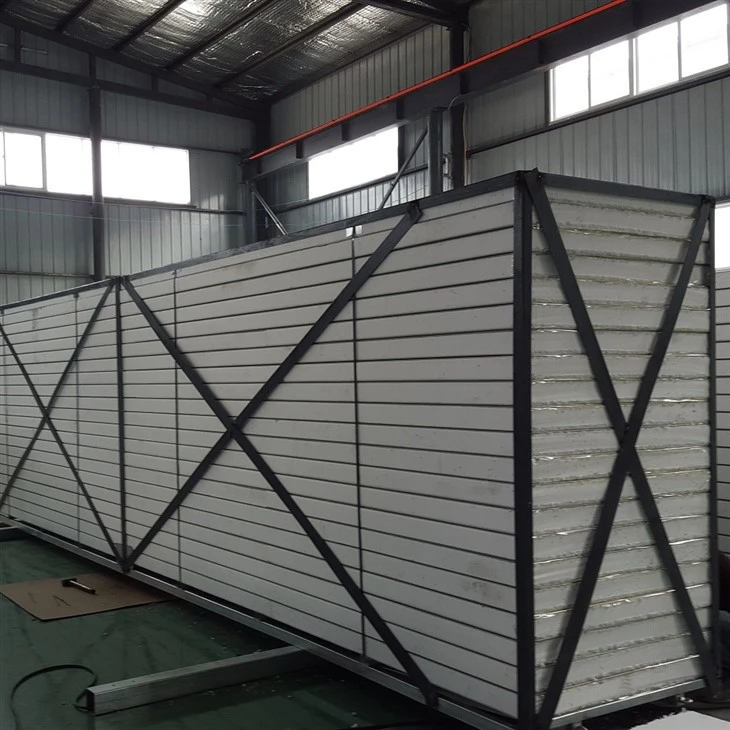
If you are looking for used z purlins for sale, we have a selection of pre - used purlins that are still in good condition and offer a cost - effective solution for your project. Our Weight reduction load sandwich board can be used in conjunction with our purlins to reduce the overall weight of the roofing system without compromising on strength. And for projects that require high - strength flooring, our Use load steel truss floor plates are an ideal choice.
Conclusion
The shear strength of galvanized C and Z purlins is a critical factor in building design and construction. Understanding the factors that influence shear strength, such as material properties, cross - sectional dimensions, and loading conditions, is essential for ensuring the safety and stability of a building. As a supplier, we are committed to providing high - quality purlins that meet the strictest standards of shear strength and durability.
If you are interested in our galvanized C and Z purlins or have any questions about their shear strength and suitability for your project, please do not hesitate to contact us. We are here to assist you in making the right choice for your building needs and look forward to discussing your procurement requirements.
References
- Budynas, R. G., & Nisbett, J. K. (2011). Shigley's Mechanical Engineering Design. McGraw - Hill.
- Salmon, C. G., & Johnson, J. E. (1996). Steel Structures: Design and Behavior. HarperCollins College Publishers.
- American Institute of Steel Construction (AISC). (2016). Specification for Structural Steel Buildings.
