What is the deflection limit of structural steel purlins?
As a supplier of structural steel purlins, I often encounter inquiries from clients regarding the deflection limit of these essential building components. Structural steel purlins play a crucial role in supporting roofs and walls in various construction projects, from industrial buildings to residential structures. Understanding the deflection limit is vital for ensuring the structural integrity, safety, and functionality of the building.
The Concept of Deflection in Structural Steel Purlins
Deflection refers to the degree to which a structural element, such as a purlin, bends or sags under a load. When a load is applied to a purlin, it causes the purlin to deform from its original shape. This deformation can be vertical (downward or upward) or horizontal, depending on the nature of the load and the support conditions.
In the context of structural steel purlins, deflection is typically measured as the maximum vertical displacement of the purlin at its mid - span or at the point of maximum load. Excessive deflection can lead to several problems, including aesthetic issues, damage to roofing or wall materials, and in extreme cases, structural failure.
Factors Affecting the Deflection of Structural Steel Purlins
Several factors influence the deflection of structural steel purlins. These include:
-
Load Magnitude and Type: The amount and nature of the load applied to the purlin have a significant impact on its deflection. Dead loads, such as the weight of the roofing materials, insulation, and the purlin itself, contribute to a constant downward force. Live loads, such as snow, wind, or people working on the roof, can vary in magnitude and direction. Concentrated loads, like the weight of equipment placed on the roof, can cause higher local deflections compared to uniformly distributed loads.
-
Purlin Geometry and Section Properties: The shape and size of the purlin cross - section play a crucial role in determining its resistance to deflection. Purlins with larger moments of inertia (a measure of a section's ability to resist bending) will generally have lower deflections. Common shapes of structural steel purlins include C - sections, Z - sections, and sigma sections. Each shape has its own unique section properties that affect its performance under load.
-
Span Length: The distance between the supports of the purlin, known as the span length, is directly related to its deflection. Longer spans result in higher deflections for a given load and purlin section. As the span increases, the bending moment in the purlin also increases, leading to greater deformation.
-
Support Conditions: The way the purlins are supported at their ends can affect their deflection. Simply supported purlins, where the ends are free to rotate but not translate vertically, have different deflection characteristics compared to fixed - ended purlins, where the ends are restrained from rotation and translation.
Deflection Limits for Structural Steel Purlins
Deflection limits are established by building codes and standards to ensure the safety and serviceability of the structure. These limits are typically expressed as a fraction of the span length. For example, a common deflection limit for roof purlins under live loads is L/180 or L/240, where L is the span length of the purlin. This means that the maximum deflection of the purlin under live loads should not exceed 1/180 or 1/240 of its span length.
The choice of deflection limit depends on several factors, including the type of roofing material, the intended use of the building, and the aesthetic requirements. For example, if a building has a brittle roofing material, such as glass or tile, a more stringent deflection limit may be required to prevent cracking or damage to the roofing.
In addition to live load deflection limits, there are also limits for total deflection, which includes both dead and live loads. Total deflection limits are usually more relaxed than live load deflection limits, as the dead load is a constant force that the structure is designed to support over its lifetime.
Importance of Adhering to Deflection Limits
Adhering to the deflection limits is crucial for several reasons:
-
Structural Integrity: Excessive deflection can lead to over - stressing of the purlins and other structural components, increasing the risk of structural failure. By keeping the deflection within the specified limits, the structure can safely support the design loads throughout its service life.

-
Roofing and Wall Material Performance: Deflection can cause damage to roofing and wall materials. For example, if a purlin deflects too much, it can cause the roofing sheets to buckle, crack, or leak. This can lead to water infiltration, which can damage the interior of the building and reduce its durability.
-
Aesthetic Appeal: In many cases, the appearance of the building is an important consideration. Excessive deflection can cause the roof or walls to appear uneven or saggy, which can detract from the overall aesthetic of the structure.
How Our Structural Steel Purlins Meet Deflection Requirements
As a supplier of structural steel purlins, we understand the importance of meeting deflection requirements. Our purlins are manufactured using high - quality steel materials and advanced production processes to ensure consistent section properties and high strength.
We offer a wide range of purlin shapes and sizes to suit different project requirements. Our engineering team can assist clients in selecting the appropriate purlin section based on the load conditions, span length, and deflection limits specified in the project. We also provide detailed calculations and design support to ensure that our purlins are designed and installed to meet or exceed the relevant building codes and standards.
In addition to our standard products, we can also customize purlins to meet specific client needs. Whether it's a unique shape, special coating, or a non - standard size, we have the capabilities to produce purlins that are tailored to your project.
Related Products and Their Benefits
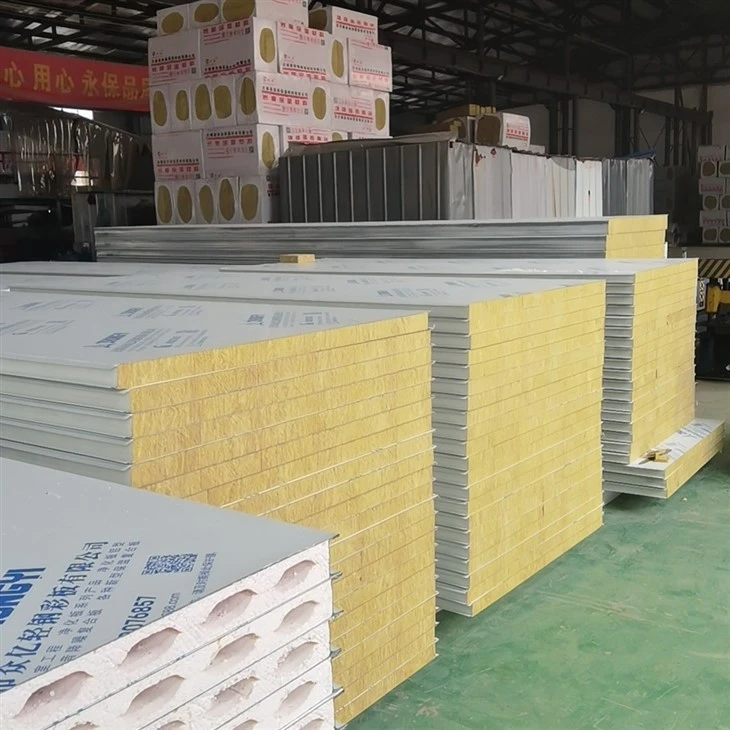
We also offer a range of related products that can complement our structural steel purlins. For example, our Lightweight and convenient sandwich board provides excellent insulation and weather resistance, reducing the overall load on the purlins. Our Metal Building Roof Purlins are specifically designed for use in metal building systems, offering high strength and easy installation. And our Sandwich Board: Panel And Floor Plate can be used in combination with purlins to create a robust and efficient building envelope.
Contact Us for Your Structural Steel Purlin Needs
If you are involved in a construction project and are looking for high - quality structural steel purlins that meet the required deflection limits, we are here to help. Our team of experts can provide you with detailed product information, design support, and competitive pricing. We are committed to delivering products and services that exceed your expectations.
Whether you are building a small residential structure or a large industrial facility, we have the expertise and resources to meet your needs. Contact us today to discuss your project requirements and start the procurement process.
References
- American Institute of Steel Construction (AISC). "Steel Construction Manual".
- National Building Code of the United States.
- Various research papers on structural steel design and performance.