

As a dedicated steel bars truss deck supplier, I have witnessed firsthand the importance of waterproofing at the joints of steel bars truss decks in various construction projects. The joints are often the weak points where water penetration can occur, potentially leading to structural damage and other issues. In this blog, I will delve into the key waterproofing construction methods for steel bars truss deck joints, providing valuable insights for construction professionals and those interested in this field.
Understanding the Significance of Waterproofing at Joints
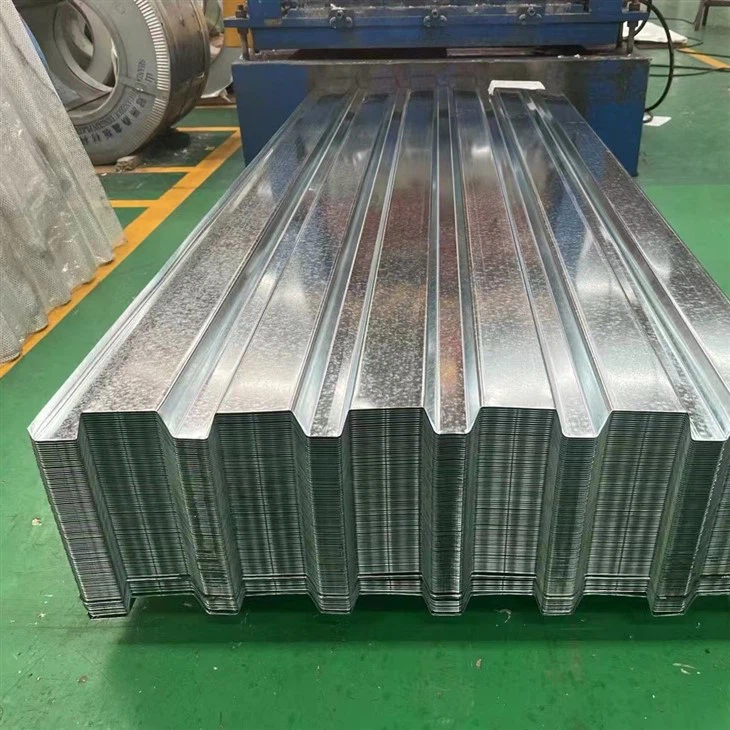
Steel bars truss decks are widely used in modern construction due to their high strength, light weight, and ease of installation. They are commonly employed in Frame of roof system and Supporting floor plates for modern buildings. However, the joints between these decks are vulnerable to water infiltration. Water can seep through the joints, causing corrosion of the steel bars, weakening the structure, and potentially leading to leaks in the building. Therefore, implementing effective waterproofing measures at the joints is crucial to ensure the durability and performance of the overall structure.
Waterproofing Construction Methods
1. Sealant Application
One of the most common and straightforward methods for waterproofing steel bars truss deck joints is the application of sealants. Sealants are materials that can fill the gaps between the decks, creating a barrier against water penetration. There are several types of sealants available in the market, including silicone, polyurethane, and acrylic sealants.
Silicone sealants are known for their excellent weather resistance and flexibility. They can withstand extreme temperature changes and remain elastic over time, making them suitable for outdoor applications. Polyurethane sealants, on the other hand, offer high adhesion strength and durability. They are often used in high - traffic areas or where there is significant movement in the structure. Acrylic sealants are more affordable and easy to apply, but they may not be as durable as silicone or polyurethane sealants in harsh environments.
The process of applying sealant involves thoroughly cleaning the joint surface to remove any dirt, dust, or debris. Then, the sealant is applied using a caulking gun, ensuring that it fills the entire joint evenly. After application, the sealant needs to be smoothed out to create a neat finish. It is important to follow the manufacturer's instructions regarding curing time and environmental conditions for the best results.
2. Waterproof Membrane Installation
Another effective waterproofing method is the installation of waterproof membranes. Waterproof membranes are thin sheets of material that can be applied to the joint area to prevent water from passing through. There are different types of waterproof membranes, such as bituminous membranes, polymer - modified membranes, and synthetic rubber membranes.
Bituminous membranes are made from asphalt or coal tar and are commonly used in roofing applications. They are relatively inexpensive and have good waterproofing properties. Polymer - modified membranes, which are enhanced with polymers, offer improved flexibility, durability, and resistance to UV rays. Synthetic rubber membranes, such as EPDM (ethylene propylene diene monomer), are highly elastic and resistant to weathering, chemicals, and punctures.
To install a waterproof membrane at the steel bars truss deck joints, the joint surface must be clean and dry. The membrane is then typically adhered to the surface using an appropriate adhesive. It is important to ensure that there are no wrinkles or air bubbles in the membrane during installation. Overlapping the edges of the membrane is also crucial to create a continuous waterproof barrier.
3. Welding and Flashing
In some cases, welding can be used to create a watertight joint between steel bars truss decks. Welding provides a strong and permanent connection, eliminating the gaps where water can enter. However, welding requires skilled labor and proper equipment to ensure a high - quality weld. Additionally, the welded joints need to be protected from corrosion to maintain their integrity.
Flashing is another important component in waterproofing joints. Flashing is a thin, impervious material, usually made of metal or plastic, that is installed at the joints to direct water away from the structure. For steel bars truss decks, flashing can be installed around the edges, corners, and penetrations to prevent water from seeping into the joints. The flashing should be properly installed and sealed to ensure its effectiveness.
4. Grouting
Grouting is a method that involves filling the joints with a cement - based or epoxy - based grout. The grout fills the gaps between the decks, providing a solid and waterproof seal. Cement - based grout is commonly used for general construction applications due to its affordability and ease of use. Epoxy - based grout, on the other hand, offers higher strength, durability, and chemical resistance, making it suitable for more demanding environments.
Before grouting, the joints need to be cleaned and moistened to ensure good adhesion of the grout. The grout is then poured into the joints and compacted to remove any air bubbles. After the grout has cured, the excess grout can be removed, and the surface can be finished.
Factors Affecting Waterproofing Performance
Several factors can affect the effectiveness of waterproofing construction methods for steel bars truss deck joints. These factors should be carefully considered during the design and construction process.
- Environmental Conditions: The climate and environmental conditions of the construction site play a significant role in the performance of waterproofing materials. For example, in areas with high humidity or heavy rainfall, more durable and weather - resistant waterproofing methods should be used. In areas with extreme temperature changes, the waterproofing materials need to be able to expand and contract without losing their integrity.
- Structural Movement: The movement of the structure, such as due to wind, seismic activity, or thermal expansion and contraction, can put stress on the waterproofing layer at the joints. Therefore, the waterproofing materials should be flexible enough to accommodate this movement without cracking or peeling.
- Quality of Installation: The quality of installation is crucial for the success of waterproofing. Improper installation, such as incomplete filling of joints, incorrect application of sealants or membranes, or poor welding, can lead to water leakage. It is important to ensure that the installation is carried out by trained and experienced professionals.
Importance of Choosing the Right Supplier
As a trusted steel bars truss deck supplier, I understand the importance of providing high - quality products and relevant technical support. The choice of steel bars truss decks and associated waterproofing materials can significantly impact the overall waterproofing performance of the joints. Our company offers a wide range of slab decking sheet and related products that are designed to meet the highest industry standards.
We also have a team of experts who can provide guidance on the selection of the appropriate waterproofing construction methods for your specific project. Whether you are working on a commercial building, a residential project, or an industrial facility, we can help you find the best solutions to ensure the long - term waterproofing and durability of your steel bars truss deck joints.
Conclusion
In conclusion, effective waterproofing at steel bars truss deck joints is essential for the long - term performance and durability of construction projects. By understanding the different waterproofing construction methods, considering the factors that affect waterproofing performance, and choosing the right supplier, you can ensure that your joints are well - protected against water penetration.
If you are interested in purchasing high - quality steel bars truss decks or need further guidance on waterproofing construction methods, please feel free to contact us. We look forward to discussing your project requirements and providing you with the best solutions.

References
- Building Waterproofing Handbook, various authors
- Technical specifications and guidelines from industry organizations for steel bars truss decking and waterproofing.
