Hey there! I'm a supplier of metal sheets, and I get asked a lot about how to select the appropriate grade of metal sheets. Trust me, it's not as tricky as it might seem at first. In this blog, I'm going to break it down for you, so you can make an informed decision when it comes to choosing the right metal sheets for your project.
Understanding Metal Sheet Grades
Let's start with the basics. Metal sheet grades are like the different flavors of ice cream at an ice cream parlor. Each grade has its own unique properties, and just like you pick an ice - cream flavor based on your taste, you choose a metal sheet grade based on your project's needs.
The grade of a metal sheet is determined by several factors, including its chemical composition, mechanical properties, and the way it's processed. For example, some metals are more corrosion - resistant, while others are stronger or more malleable.
Factors to Consider When Selecting Metal Sheet Grades
1. Corrosion Resistance
If your project is going to be exposed to harsh environmental conditions, corrosion resistance is a must - consider factor. For instance, if you're building a structure near the ocean where the air is salty, you'll want a metal sheet that can withstand the corrosive effects of salt. Stainless steel is a great option here. It contains chromium, which forms a passive oxide layer on the surface, protecting it from rust and corrosion.
Another option is the color coated galvalume sheet. This sheet has a zinc - aluminum alloy coating that provides excellent corrosion protection. It's often used in roofing and siding applications, as it can resist the elements for a long time.
2. Strength and Durability
The strength of the metal sheet is crucial, especially if your project requires it to bear heavy loads. High - strength steel grades are designed to handle large amounts of stress without deforming or breaking. For example, in construction projects like bridges or high - rise buildings, high - strength steel sheets are used to ensure the structure can withstand the forces acting on it.
But strength isn't just about withstanding weight. It's also about durability. A durable metal sheet will last longer and require less maintenance. For instance, if you're using metal sheets for a car body, you want a grade that can resist dents and scratches from daily use.
3. Formability
Formability refers to how easily a metal sheet can be shaped and bent into different forms. Some projects, like creating decorative items or custom - shaped parts, require a metal sheet that is highly formable. Aluminum is known for its excellent formability. It can be easily stamped, drawn, or bent into complex shapes without cracking.
If you're working on a project that involves intricate designs, you need to choose a metal sheet grade with good formability. Otherwise, you might end up with a lot of wasted material and a frustrating experience.
4. Cost
Let's face it, cost matters. You want to get the best quality metal sheet for your budget. Usually, higher - grade metals with better properties like corrosion resistance and strength come at a higher price. But that doesn't mean you have to break the bank.
There are often trade - offs you can make. For example, if corrosion isn't a major concern in your project, you might be able to choose a less - expensive metal grade. You also need to consider the long - term costs, such as maintenance and replacement. A more expensive metal sheet that lasts longer and requires less maintenance might be a better investment in the long run.
5. Aesthetics
In some projects, how the metal sheet looks is just as important as its performance. For example, if you're using metal sheets for interior design or architectural features, you'll want a sheet with a nice finish. You can choose from a variety of finishes, such as polished, brushed, or painted.

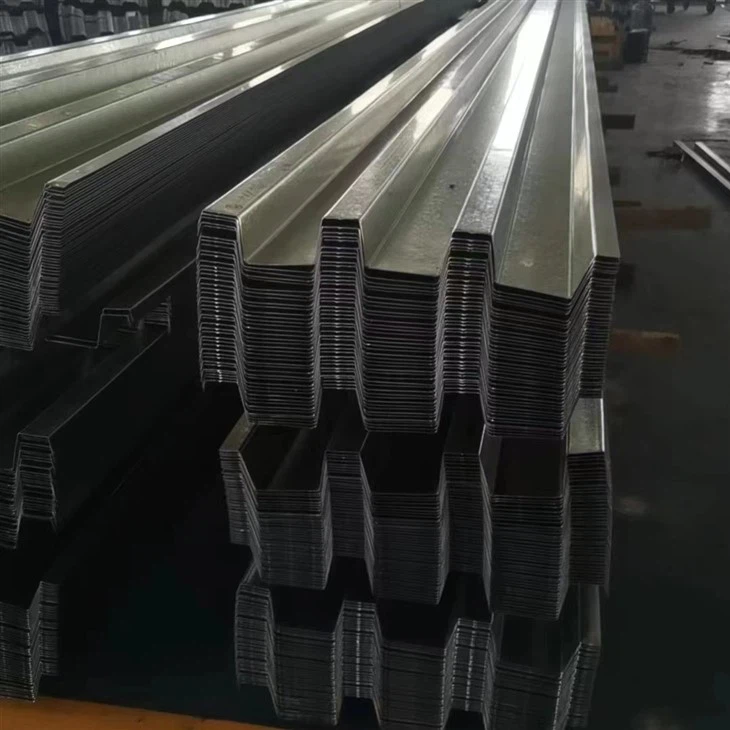
Some metal grades are more suitable for achieving certain aesthetics. For instance, copper has a unique, warm color that develops a beautiful patina over time. It's often used in decorative applications where a natural and elegant look is desired.
Specific Applications and Recommended Grades
Roofing
For roofing applications, you need a metal sheet that is weather - resistant, durable, and lightweight. The Waterproof metal plate is a great choice. It provides excellent protection against rain, snow, and UV rays. Galvanized steel is also commonly used for roofing. It has a zinc coating that protects it from corrosion, and it's relatively inexpensive.
Structural Buildings
In structural buildings like the Screened in Deck With Roof Steel Structure Building, high - strength steel grades are essential. These grades can support the weight of the building and withstand external forces such as wind and earthquakes. Structural steel is designed to meet specific standards for strength and ductility, ensuring the safety and stability of the building.
Automotive Industry
The automotive industry has strict requirements for metal sheets. They need to be lightweight to improve fuel efficiency, yet strong enough to protect passengers in case of an accident. Aluminum and high - strength steel are commonly used in car manufacturing. Aluminum reduces the overall weight of the vehicle, while high - strength steel provides the necessary strength and crashworthiness.
How We Can Help
As a metal sheet supplier, I've got a wide range of metal sheet grades to meet all your needs. Whether you're working on a small DIY project or a large - scale construction job, I can help you find the perfect metal sheet.
We offer top - quality products at competitive prices. Our team of experts is always ready to answer your questions and provide advice on which grade is best for your specific application. We understand that every project is unique, and we're committed to providing you with the right solution.
If you're interested in purchasing metal sheets, or if you just want more information, don't hesitate to reach out. We're here to make the process of selecting and buying metal sheets as easy and stress - free as possible.
Conclusion
Selecting the appropriate grade of metal sheets is all about understanding your project's requirements and matching them with the properties of different metal grades. By considering factors like corrosion resistance, strength, formability, cost, and aesthetics, you can make a well - informed decision.
Remember, I'm here to assist you every step of the way. If you have any doubts or need more guidance, feel free to contact me. Let's work together to find the perfect metal sheets for your project!
References
- "Metals Handbook: Properties and Selection: Irons, Steels, and High - Performance Alloys", ASM International.
- "Aluminum: Properties and Physical Metallurgy", John E. Hatch.