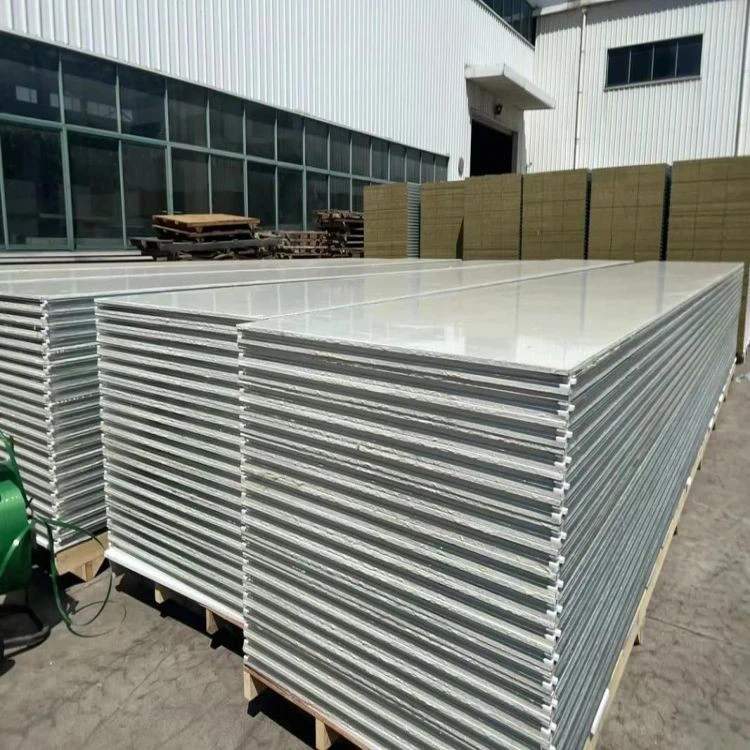
Hey there! I'm a supplier of flat handmade sandwich panels, and I know firsthand how important it is to keep these panels in top - notch condition. Corrosion can be a real headache for anyone using or supplying these panels, but don't worry! I'm here to share some practical tips on how to prevent corrosion on flat handmade sandwich panels.
Understanding the Causes of Corrosion
Before we dive into prevention methods, it's crucial to understand what causes corrosion in the first place. Corrosion is basically a chemical reaction that occurs when metal in the panels comes into contact with oxygen, moisture, and other corrosive substances. For flat handmade sandwich panels, this can happen due to environmental factors like humidity, rain, and exposure to chemicals.
Moisture is one of the biggest culprits. When water sits on the surface of the panels for extended periods, it creates a perfect environment for rust and other forms of corrosion to develop. Salty air, especially in coastal areas, can also speed up the corrosion process. Chemicals in the air, such as pollutants from factories or vehicle emissions, can also damage the panels over time.
Choosing the Right Materials
The first step in preventing corrosion is selecting the right materials for your flat handmade sandwich panels. When it comes to the outer layers, high - quality metals are a must. Stainless steel is a great option because it contains chromium, which forms a protective oxide layer on the surface. This layer acts as a barrier, preventing oxygen and moisture from reaching the metal underneath.

Another option is galvanized steel. Galvanization involves coating the steel with a layer of zinc. Zinc is more reactive than steel, so when it's exposed to the environment, it corrodes first, protecting the steel beneath. This sacrificial protection can significantly extend the lifespan of your panels.
For the core material of the sandwich panels, you want something that's not only lightweight and insulating but also resistant to moisture. Polyurethane is a popular choice. You can learn more about it in this article: What Is Polyurethane Sandwich Panel. Polyurethane has good moisture resistance properties, which helps in preventing the build - up of moisture that can lead to corrosion in the outer layers.
Proper Surface Treatment
Once you've chosen the right materials, proper surface treatment is essential. One common treatment is painting. A good quality paint can provide an additional layer of protection against corrosion. Before painting, make sure the surface of the panels is clean and free of any dirt, grease, or rust. You can use a mild detergent and water to clean the surface, followed by sanding to create a rough surface for better paint adhesion.
Powder coating is another effective surface treatment method. In powder coating, a dry powder is electrostatically applied to the panel's surface and then cured in an oven. This creates a hard, durable finish that's resistant to chipping, scratching, and corrosion. It also gives the panels a more uniform and professional look.
Installation Best Practices
How you install your flat handmade sandwich panels can also have a big impact on their susceptibility to corrosion. First of all, make sure the installation site is well - drained. If water pools around the panels, it can lead to corrosion. You might need to grade the area or install a drainage system to ensure proper water flow.
During installation, avoid any damage to the protective coatings on the panels. Scratches or dents can expose the underlying metal to the environment, making it more prone to corrosion. If you do notice any damage, repair it immediately using touch - up paint or other appropriate repair methods.
Proper sealing is also crucial. Use high - quality sealants around the edges, joints, and fasteners of the panels. This prevents water and moisture from seeping into the panels and causing corrosion. Make sure the sealant is compatible with the materials of the panels to ensure a good bond.
Regular Maintenance
Even with the best materials and installation, regular maintenance is necessary to prevent corrosion. Inspect your panels regularly for any signs of damage, such as rust spots, peeling paint, or loose sealants. If you catch these issues early, you can take corrective action before they become major problems.
Clean the panels periodically to remove any dirt, debris, or pollutants that can contribute to corrosion. Use a soft brush or a low - pressure water spray to avoid damaging the surface. You can also use a mild cleaning solution if necessary, but make sure it's compatible with the panel materials.
For the fasteners and joints, check them regularly for tightness. Loose fasteners can allow water to penetrate the panels, increasing the risk of corrosion. Tighten any loose fasteners and replace any that are damaged or corroded.
Environmental Considerations
The environment in which your flat handmade sandwich panels are installed plays a significant role in corrosion prevention. If you're installing the panels in a coastal area, where the air is salty, you may need to take extra precautions. Consider using more corrosion - resistant materials or applying additional protective coatings.
In industrial areas with high levels of pollutants, it's important to keep the panels clean and well - maintained. You might also want to consider installing air filtration systems or barriers to reduce the exposure of the panels to harmful chemicals.
If the panels are exposed to extreme temperatures, such as in a hot desert or a cold arctic environment, make sure the materials you choose can withstand these conditions. Some materials may expand or contract with temperature changes, which can lead to damage and corrosion.
Using Corrosion Inhibitors
Corrosion inhibitors are chemicals that can be applied to the panels to slow down or prevent the corrosion process. There are different types of corrosion inhibitors, such as organic and inorganic inhibitors. Organic inhibitors work by forming a protective film on the metal surface, while inorganic inhibitors can react with the metal to form a passive layer.
You can apply corrosion inhibitors during the manufacturing process or as a maintenance treatment. However, make sure to follow the manufacturer's instructions carefully when using these inhibitors. Using too much or the wrong type of inhibitor can have negative effects on the panels.
Additional Protective Layers
In some cases, adding additional protective layers can provide extra security against corrosion. For example, you can use a sacrificial anode. A sacrificial anode is a more reactive metal, such as magnesium or aluminum, that's attached to the panel. When corrosion occurs, the sacrificial anode corrodes instead of the panel, protecting it from damage.
You can also use a corrosion - resistant wrap or film. These wraps are made of materials that are impermeable to water and oxygen, providing an extra layer of protection. They can be easily applied to the panels and are a cost - effective way to prevent corrosion.
Conclusion
Preventing corrosion on flat handmade sandwich panels is a multi - step process that involves choosing the right materials, proper surface treatment, correct installation, regular maintenance, and considering the environmental factors. By following these tips, you can significantly extend the lifespan of your panels and keep them looking and performing their best.
If you're interested in purchasing high - quality flat handmade sandwich panels or have any questions about corrosion prevention, I'd love to hear from you. Feel free to reach out to start a procurement discussion. Let's work together to ensure your project gets the best - protected panels possible.
References
- ASM Handbook Committee. (2004). ASM Handbook Volume 13C: Corrosion: Prevention and Control. ASM International.
- Kuznetsov, Y. G. (2007). Corrosion Inhibitors: Principles and Applications. CRC Press.