Ensuring the perpendicularity of welded small pieces purlins is a crucial aspect in the manufacturing and construction industry. As a supplier of welding small pieces purlins, I understand the significance of this precision. In this blog, I will share some effective methods and considerations to guarantee the perpendicularity of these purlins.
Understanding the Importance of Perpendicularity
Perpendicularity in welded small pieces purlins is essential for several reasons. Firstly, it ensures the structural integrity of the overall construction. When purlins are not perpendicular, it can lead to uneven distribution of loads, which may cause stress concentrations and ultimately compromise the stability of the building. Secondly, perpendicular purlins contribute to the aesthetic appeal of the structure. A well - aligned purlin system gives a clean and professional look to the construction.
Preparation Before Welding
Material Inspection
Before starting the welding process, a thorough inspection of the small pieces purlins is necessary. Check for any deformities, such as bends or twists in the material. Even minor irregularities can affect the perpendicularity during welding. Use precision measuring tools like calipers and straightedges to ensure that the purlins meet the required dimensional specifications.
Surface Preparation
The surfaces of the purlins to be welded must be clean and free from contaminants such as rust, oil, and dirt. These contaminants can interfere with the welding process and lead to poor weld quality, which in turn can affect the perpendicularity. Use appropriate cleaning methods, such as wire brushing or chemical cleaning, to prepare the surfaces.
Fixturing
Fixturing is a critical step in ensuring perpendicularity. Design and use fixtures that can hold the purlins in the correct position during welding. The fixtures should be rigid and accurately aligned. They should be able to prevent any movement or distortion of the purlins during the welding process. For example, custom - made jigs can be used to hold the purlins at the desired angles and positions.
Welding Process
Welding Technique
Select the appropriate welding technique for the small pieces purlins. Different welding methods, such as MIG (Metal Inert Gas) welding, TIG (Tungsten Inert Gas) welding, or stick welding, have their own characteristics and suitability. For thin - walled purlins, TIG welding may be a better choice as it allows for more precise control of the heat input and weld bead formation.
Welding Parameters
Proper adjustment of welding parameters is crucial for achieving perpendicularity. Parameters such as welding current, voltage, and travel speed need to be carefully set. Too high a current can cause excessive heat, leading to distortion of the purlins. On the other hand, too low a current may result in incomplete fusion and weak welds. Conduct test welds on sample pieces to determine the optimal welding parameters.
Sequential Welding
When welding multiple joints on the purlins, use a sequential welding approach. This helps to minimize the build - up of heat and stress in the structure. For example, instead of welding all the joints on one side of the purlin at once, alternate between sides or use a pattern that distributes the heat evenly.
Post - Welding Inspection
Visual Inspection
After welding, conduct a visual inspection of the purlins. Look for any signs of distortion, such as warping or bending. Check the alignment of the welded joints and ensure that they are straight and perpendicular. Any visible defects should be marked for further analysis and correction.
Dimensional Measurement
Use precision measuring instruments, such as a theodolite or a laser level, to measure the perpendicularity of the welded purlins. These tools can provide accurate readings and help to identify any deviations from the required specifications. If the measured values are outside the acceptable tolerance range, corrective measures need to be taken.
Corrective Measures
Heat Treatment
If the purlins have undergone some distortion during welding, heat treatment can be used as a corrective measure. By carefully applying heat to the distorted areas and then allowing them to cool slowly, the internal stresses in the material can be relieved, and the purlins can be brought back to the correct shape.
Mechanical Adjustment
In some cases, mechanical adjustment methods can be used to correct the perpendicularity. This may involve using hydraulic presses or other mechanical devices to bend or straighten the purlins. However, this method should be used with caution as it can also introduce new stresses into the material.

Quality Control System
Establish a comprehensive quality control system to ensure the consistent perpendicularity of the welded small pieces purlins. This system should include regular inspections at different stages of the manufacturing process, from raw material inspection to final product testing. Train the workers on the importance of perpendicularity and the proper use of measuring and welding equipment.
Related Products and Their Role in Ensuring Perpendicularity
In addition to the above - mentioned methods, using related products can also contribute to ensuring the perpendicularity of the purlins. For example, Use load steel truss floor plates can provide additional support and stability to the purlin system. These floor plates are designed to distribute the loads evenly, which helps to maintain the perpendicularity of the purlins.
RapidSeam Metal Panels are another useful product. They can be easily installed and integrated with the purlin system. Their precise manufacturing and design ensure that they fit well with the purlins, which in turn helps to maintain the overall perpendicularity of the structure.
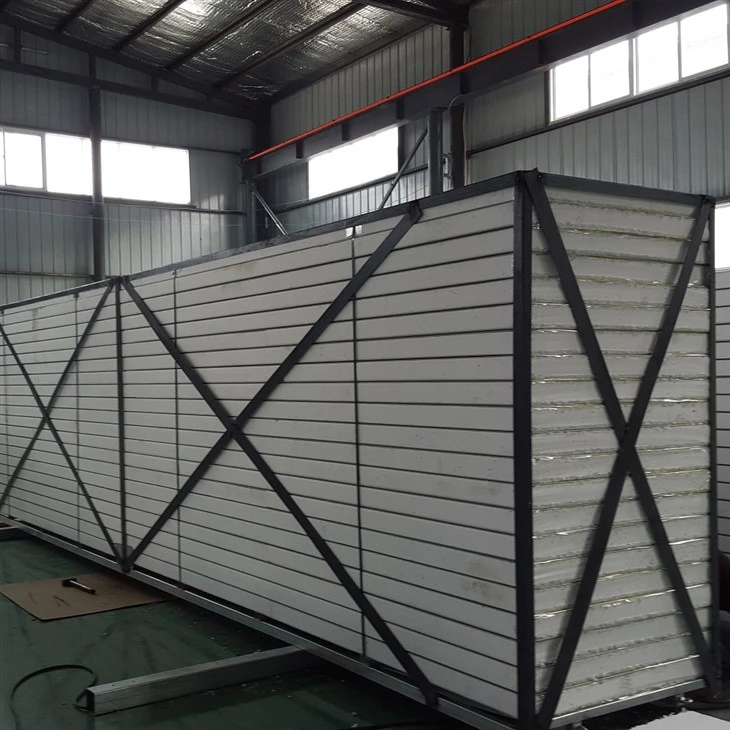
Sandwich Board: Panel And Floor Plate also play an important role. They can provide insulation and structural support, and their proper installation can help to keep the purlins in the correct position.
Conclusion
Ensuring the perpendicularity of welded small pieces purlins is a multi - step process that requires careful planning, proper preparation, and strict quality control. By following the methods and considerations outlined in this blog, we can produce high - quality purlins that meet the requirements of the construction industry.
As a supplier of welding small pieces purlins, we are committed to providing products with excellent perpendicularity and overall quality. If you are interested in our products or have any questions about ensuring the perpendicularity of purlins, please feel free to contact us for procurement and further discussions.
References
- Welding Handbook, American Welding Society
- Structural Steel Design Manual, American Institute of Steel Construction