Hey there! As a supplier of sandwich panels, I've been getting a lot of questions lately about how these panels perform in coastal areas. So, I thought I'd share some insights based on my experience and the knowledge I've gathered over the years.
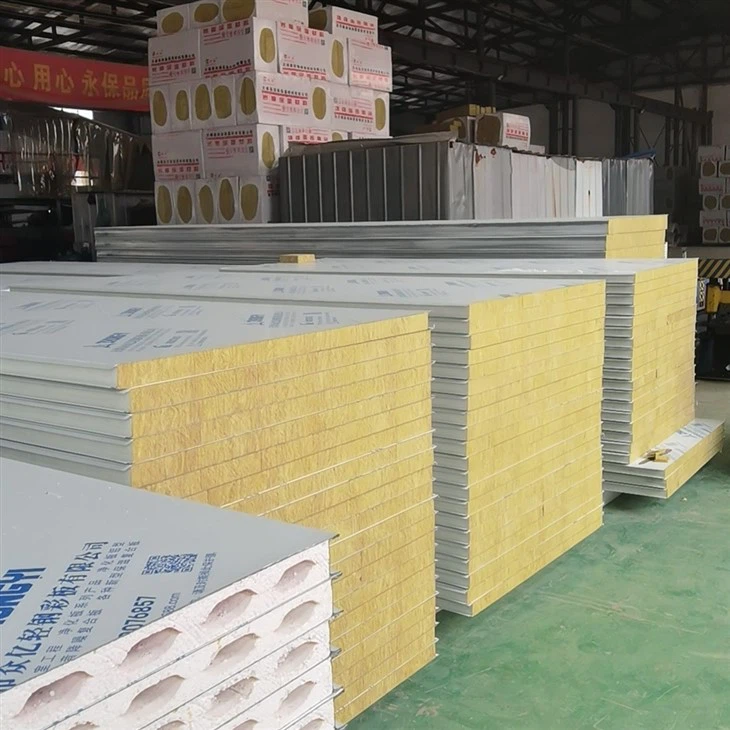
First off, let's talk about what sandwich panels are. These are composite materials made up of two outer layers (usually metal) and a core material in between. The core can be made of various substances like polyurethane, polystyrene, or mineral wool, each offering different properties such as insulation, fire resistance, and strength.
1. Corrosion Resistance in Coastal Areas
Coastal areas are known for their high humidity and salt-laden air. Salt is a major culprit when it comes to corrosion, and metal components of sandwich panels can be at risk. However, modern sandwich panels are designed to handle these tough conditions.
Most of the sandwich panels we supply have a special coating on the outer metal layers. This coating acts as a barrier between the metal and the corrosive elements in the air. For example, some panels are coated with a zinc - aluminum alloy, which provides excellent protection against rust and corrosion. Over time, this coating gradually wears off, but it does so at a very slow rate, ensuring the longevity of the panels.
In addition to the coating, the quality of the metal itself matters. High - grade steel or aluminum is often used in the manufacturing of sandwich panels. These metals have inherent corrosion - resistance properties, making them more suitable for coastal environments.
2. Insulation Performance
When it comes to insulation, sandwich panels are a great choice, especially in coastal areas. The core material of the panels plays a crucial role here. Polyurethane foam, for instance, is an effective insulator. It has a low thermal conductivity, which means it can prevent heat transfer between the inside and outside of a building.
In coastal regions, the temperature can vary significantly between day and night. During the day, the sun beats down, and the heat can be intense. At night, the sea breeze can make it quite cool. A well - insulated building using sandwich panels can maintain a more stable indoor temperature, reducing the need for excessive heating or cooling. This not only makes the building more comfortable but also helps save on energy costs.
If you're looking for an Effective insulation sandwich board, there are many options available. The thickness and type of the core material can be adjusted according to your specific insulation requirements.
3. Moisture Resistance
Moisture is another challenge in coastal areas. High humidity levels can lead to condensation inside buildings, which can cause damage to the structure and promote the growth of mold and mildew.
Our sandwich panels are designed to be moisture - resistant. The outer metal layers act as a physical barrier against water penetration. And the core material is often treated to resist moisture absorption. For example, some panels use a closed - cell foam core, which doesn't allow water to seep in easily.
Moreover, the joints between the panels are carefully designed to prevent water from getting in. Special gaskets and sealants are used to ensure a tight fit. If you're concerned about moisture, you can check out our Moisture - proof sandwich board.
4. Durability
Coastal areas are also prone to strong winds, storms, and even hurricanes in some cases. Sandwich panels need to be durable enough to withstand these extreme weather conditions.
The structural integrity of the panels is enhanced by their design. The combination of the outer metal layers and the core material creates a strong and rigid structure. The panels are tested to meet certain wind - load and impact - resistance standards.
For example, the panels are often designed to be able to withstand high - speed winds without being damaged. The metal skins provide strength, while the core material helps to distribute the load evenly across the panel. If you're looking for a Good durability sandwich board, we have options that are specifically engineered for high - stress environments.
5. Installation and Maintenance
Installing sandwich panels in coastal areas is relatively straightforward. They are lightweight compared to traditional building materials, which makes them easier to handle and install. Most panels come with a pre - designed interlocking system, which allows for quick and efficient installation.
Maintenance of sandwich panels is also minimal. Regular inspections to check for any signs of damage or corrosion are recommended. If the coating on the metal layers shows signs of wear, it can be touched up to maintain its protective properties. And if there are any loose joints or sealants, they can be easily repaired.
Why Choose Our Sandwich Panels for Coastal Areas?
As a supplier, we understand the unique challenges of coastal construction. We offer a wide range of sandwich panels that are specifically designed to meet the needs of coastal projects. Our panels are not only high - quality but also cost - effective.
We work closely with our customers to understand their specific requirements and provide customized solutions. Whether you're building a residential home, a commercial building, or an industrial facility in a coastal area, our sandwich panels can be a great choice.
If you're interested in learning more about our sandwich panels or have any questions regarding their performance in coastal areas, don't hesitate to reach out. We're here to help you make the right choice for your project. Contact us today to start a discussion about your sandwich panel needs. Let's work together to create a building that can stand up to the harsh coastal environment.

References
- Building Materials Handbook: A Guide to the Properties and Applications of Construction Materials.
- Coastal Construction Best Practices: Strategies for Building in High - Risk Areas.
- Research Papers on the Performance of Composite Materials in Coastal Environments.