As a seasoned supplier of sandwich panel roofs and walls, I've witnessed firsthand the growing popularity of these building materials in various construction projects. One of the most frequently asked questions from our clients is whether sandwich panel roofs or walls can withstand high winds. In this blog post, I'll delve into the science behind the wind resistance of sandwich panels, explore the factors that influence their performance, and share some insights based on my years of experience in the industry.
Understanding Sandwich Panels
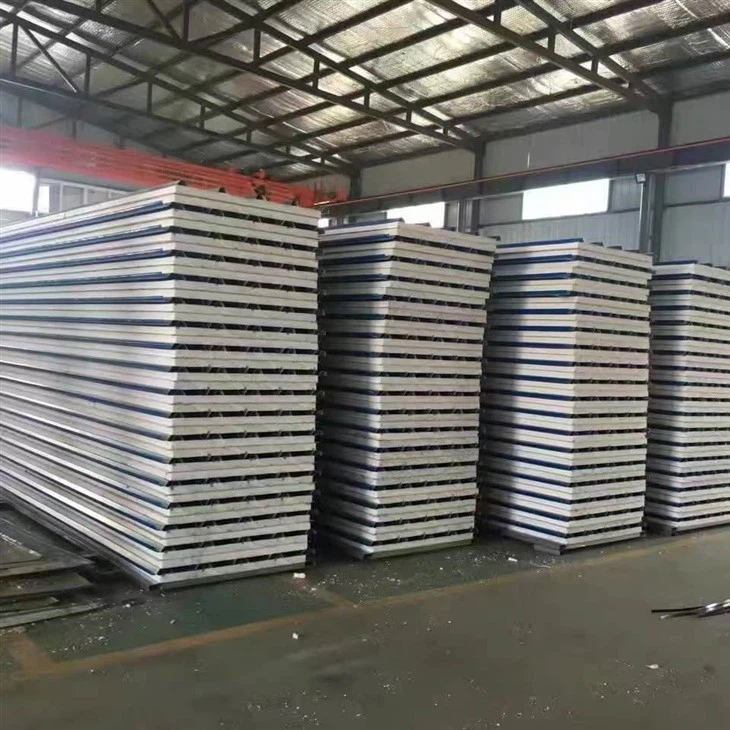
Before we discuss their wind resistance, let's briefly understand what sandwich panels are. Sandwich panels consist of two outer layers, often made of metal, and a core material in between. The core can be made of various materials such as polyurethane foam, polystyrene, or mineral wool. These panels are known for their excellent insulation properties, light weight, and ease of installation.
The Science of Wind Resistance
Wind exerts both positive and negative pressures on a building's exterior. Positive pressure occurs on the windward side, where the wind pushes against the structure. Negative pressure, on the other hand, occurs on the leeward side and along the sides of the building, where the wind creates a suction effect. Sandwich panels need to withstand both these forces to remain intact during high winds.
The wind resistance of a sandwich panel depends on several factors, including its design, material properties, and installation method. A well-designed sandwich panel will have a strong bond between the outer layers and the core, which helps distribute the wind loads evenly across the panel. The material properties of the outer layers and the core also play a crucial role. For example, metal outer layers provide good strength and durability, while a rigid core material can help resist deformation.
Factors Influencing Wind Resistance
Panel Design
The design of the sandwich panel can significantly affect its wind resistance. Panels with a thicker core and stronger outer layers are generally more resistant to wind loads. Additionally, the shape and profile of the panel can influence how the wind flows around it. For example, panels with a smooth surface and a streamlined shape will experience less wind resistance compared to panels with a rough or irregular surface.
Material Properties
The material properties of the outer layers and the core are crucial for wind resistance. Metal outer layers, such as steel or aluminum, are commonly used due to their high strength and durability. These materials can withstand the impact of wind-borne debris and resist corrosion. The core material also plays an important role. Rigid foam cores, such as polyurethane or polystyrene, provide good insulation and structural support. Mineral wool cores, on the other hand, offer excellent fire resistance and sound insulation.
Installation Method
Proper installation is essential for ensuring the wind resistance of sandwich panels. The panels should be securely fastened to the building structure using appropriate fasteners. The joints between the panels should be sealed to prevent air leakage and water penetration. Additionally, the installation should follow the manufacturer's guidelines and local building codes.
Real-World Performance
Over the years, we've supplied sandwich panel roofs and walls to numerous construction projects in areas prone to high winds, such as coastal regions and hurricane-prone areas. In most cases, our panels have performed exceptionally well, withstanding strong winds and severe weather conditions.
One of the key factors contributing to the success of our panels is our commitment to quality. We use only the highest quality materials and state-of-the-art manufacturing processes to ensure that our panels meet or exceed industry standards. Our panels are also rigorously tested in our in-house laboratory to ensure their performance under various conditions.
Our Product Offerings
At our company, we offer a wide range of sandwich panel roofs and walls that are designed to withstand high winds. Our panels are available in various sizes, thicknesses, and colors to meet the specific needs of our clients.
- Good insulation sandwich board: Our insulation panels are designed to provide excellent thermal insulation, helping to reduce energy costs and improve the comfort of the building.
- Good durability sandwich board: Our durable panels are made of high-quality materials and are designed to withstand the test of time. They are resistant to corrosion, impact, and weathering.
- Excellent fire performance sandwich board: Our fire-resistant panels are designed to provide excellent fire protection, helping to prevent the spread of fire and protect the building and its occupants.
Conclusion
In conclusion, sandwich panel roofs and walls can withstand high winds when they are properly designed, manufactured, and installed. At our company, we are committed to providing our clients with high-quality sandwich panels that offer excellent wind resistance, insulation, durability, and fire performance.

If you're considering using sandwich panel roofs or walls for your next construction project, we'd be happy to discuss your specific needs and provide you with a customized solution. Contact us today to learn more about our products and services and to start the procurement process. We look forward to working with you!
References
- Building Code Requirements for Structural Steel Buildings, American Institute of Steel Construction.
- Wind Loads on Buildings and Structures, American Society of Civil Engineers.
- Sandwich Panel Design and Installation Guide, Industry Association.